Bone, growth & fractures
Pediatric Fractures
Broken bones in children, including fractures around the growing knee.
A child’s bone is not a small adult bone. It is more flexible, it heals faster, and it has growth plates — areas of cartilage near the ends of the bone where growth happens. A fracture that involves a growth plate is assessed differently from one that does not.
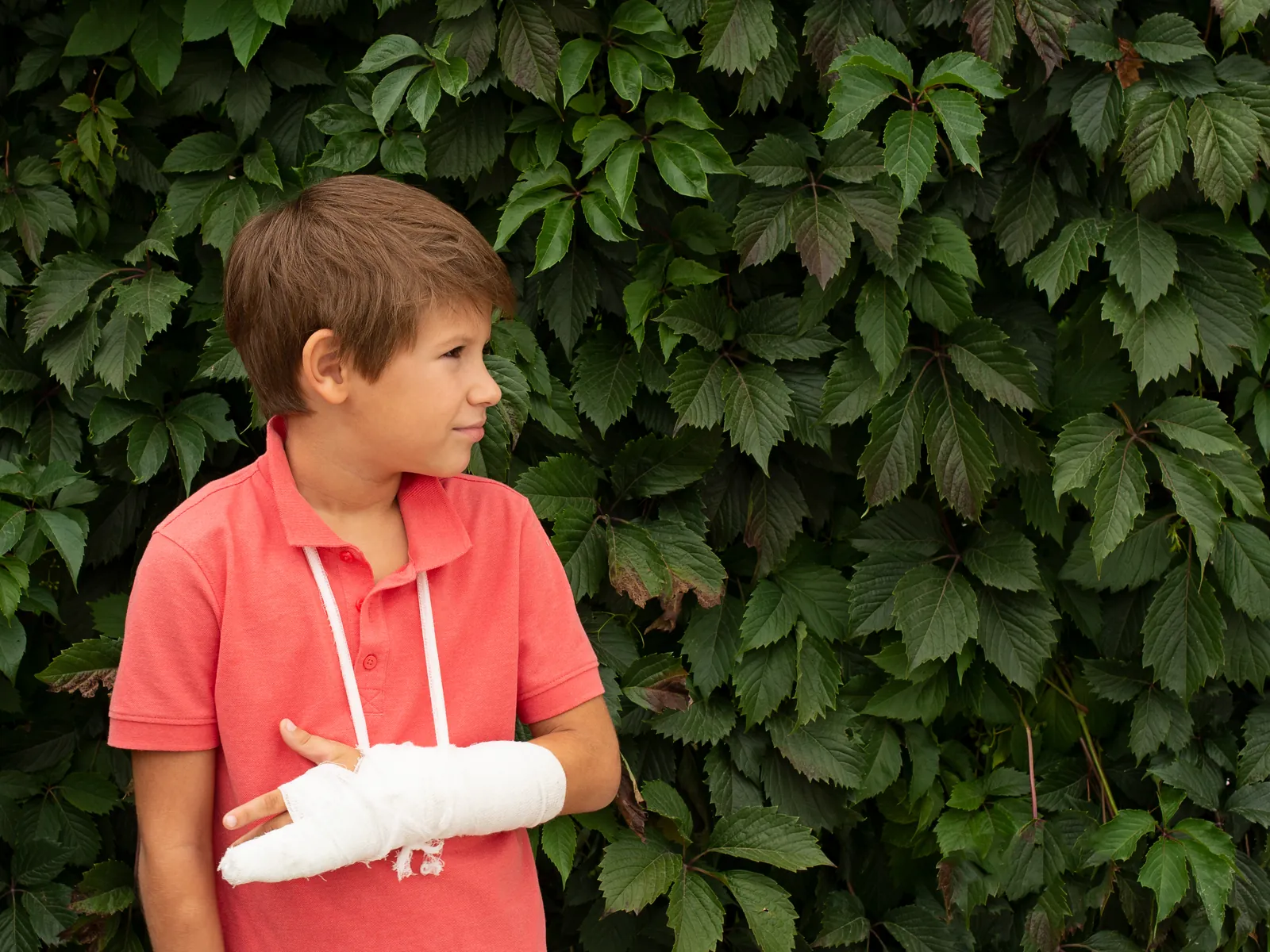
Growth plates change the assessment
Because growth plates are made of cartilage, they do not show on an X-ray the way bone does, and a fracture through one can be easy to underestimate. The consequences of missing it are about future growth, not just about the healing of the break.
Dr. Green’s fracture practice is concentrated on the knee and the growing skeleton, and it is the second-largest subject in his published research.
How Dr. Green decides between surgery and non-surgical treatmentHow Dr. Green treats a child's fracture
- Fractures around the growing kneeIncluding tibial spine (tibial eminence) fractures and other fractures about the knee.
- Growth-plate assessmentEvaluating whether the growth plate is involved, which changes both treatment and follow-up.
Dr. Green's published research on fractures in children
Of the papers indexed on PubMed under Dr. Green’s Hospital for Special Surgery affiliation, 28 are on this subject.
See the full publication recordThe papers themselves
The 8 most recent of his 28 papers on this subject, indexed on PubMed under his Hospital for Special Surgery affiliation. Each opens on PubMed.
- Complications Leading to Reoperation After Pediatric Tibial Spine Fracture Fixation Orthopaedic journal of sports medicine · 2026 Mar · Dr. Green is author 27 of 42
- Morphological Risk Factors for Pediatric Anterior Cruciate Ligament Tears and Tibial Spine Fractures The American journal of sports medicine · 2025 Jun · Dr. Green is author 9 of 23
- Improved Biomechanical Performance of Tibial Spine Fracture Repair With Suture and Anchor Fixation in Pediatric Cadaveric Knees Orthopaedic journal of sports medicine · 2025 Feb · Dr. Green is author 10 of 12
- Evaluation of Tibial Slope on Radiographs in Pediatric Patients With Tibial Spine Fractures: An Age- and Sex-Matched Study Orthopaedic journal of sports medicine · 2024 Jul · Dr. Green is author 14 of 27
- Tibial Spine Fractures in the Child and Adolescent Athlete: A Systematic Review and Meta-analysis The American journal of sports medicine · 2024 Apr · Dr. Green is author 10 of 24
- Strong Association Between Growth Hormone Therapy and Proximal Tibial Physeal Avulsion Fractures in Children and Adolescents: A Case-Control Study The Journal of bone and joint surgery. American volume · 2024 Feb 7 · Dr. Green is author 4 of 5
- Tibial spine fractures: State of the art Journal of ISAKOS : joint disorders & orthopaedic sports medicine · 2023 Dec · Dr. Green is author 2 of 4
- Male sex is an independent risk factor for patellar osteochondral fractures following acute patellar dislocation in pediatric patients Journal of experimental orthopaedics · 2023 Aug 26 · Dr. Green is author 5 of 5
Patients Dr. Green has treated for this condition
 Ankle Fracture (Broken Ankle) Clara Rodriguez Miami, FL Read Clara’s story
  Broken Foot (Foot Fracture) Noah Avallone Montauk, NY Read Noah’s story
  Broken Leg (Leg Fracture) Milo Hoffman New York, NY Read Milo’s story
 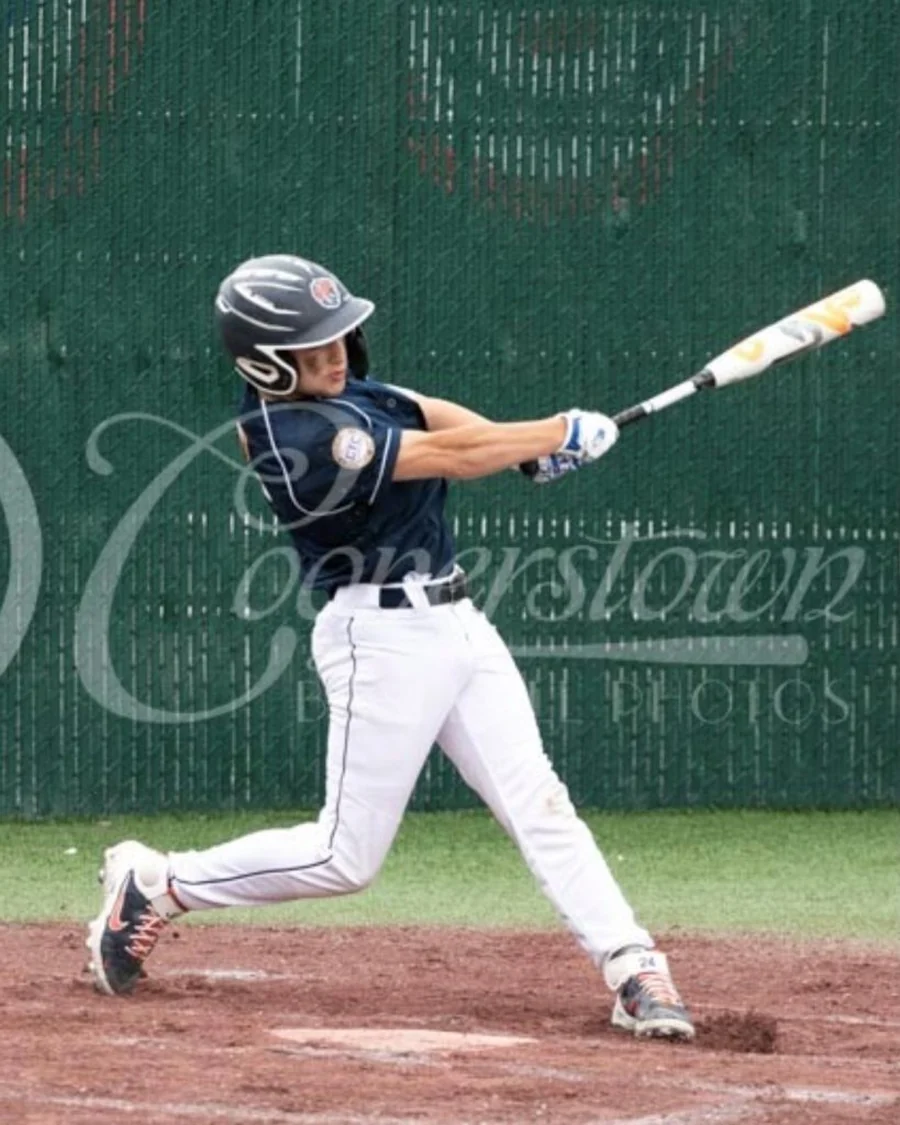 Arm and Elbow Fractures Jayden Cassese Eastchester, NY Read Jayden’s story
 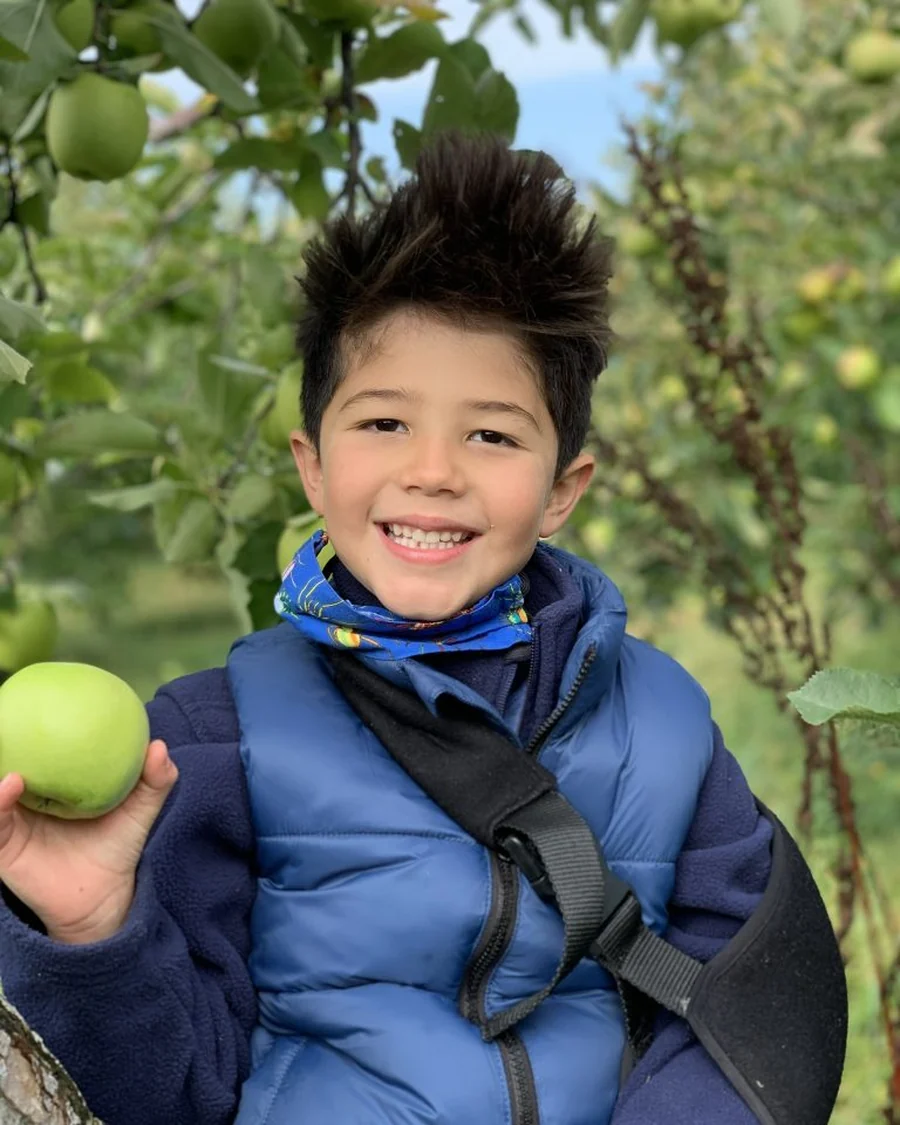 Arm and Elbow Fractures Dante Fusco Pelham, NY Read Dante’s story
 Questions parents ask
Why do children’s fractures need a pediatric specialist?
Because of the growth plates. A fracture involving one has implications for future growth, and that changes how it is assessed and followed up.
Do children’s bones heal faster?
Children’s bones generally heal more readily than adults’. That is one reason the assessment focuses on alignment and on whether growth is affected.