Knee conditions
Patella Dislocation & Instability
When the kneecap slips out of its groove — and what stops it happening again.
The patella (kneecap) normally slides in a shallow groove at the end of the thigh bone. In some children it slips out of that groove — sideways, and usually painfully. A first dislocation is common in adolescence; what matters clinically is whether it keeps happening. Patellar instability is the subject Dr. Green has published on more than any other.
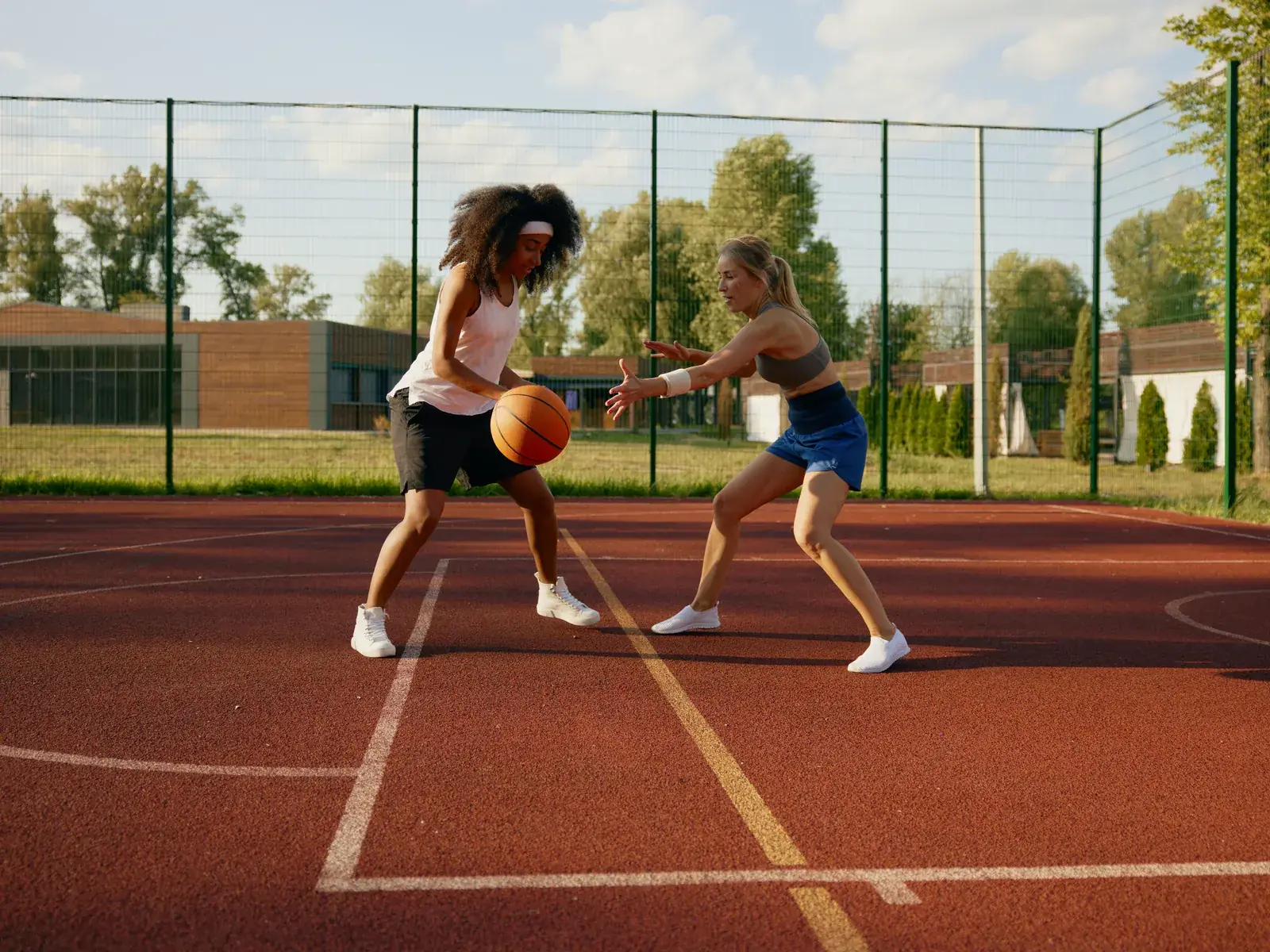
Why a kneecap keeps dislocating
Repeat dislocations are rarely bad luck. They are usually driven by the anatomy underneath — the depth of the groove, the shape and tilt of the bones, and the ligament on the inner side of the knee (the MPFL) that was stretched or torn the first time.
That is why imaging matters here: the operation that stops the dislocations depends on which of those factors is actually driving them.
How Dr. Green decides between surgery and non-surgical treatmentHow Dr. Green treats patellar instability
- MPFL reconstructionRebuilding the medial patellofemoral ligament — the restraint on the inner side of the kneecap.
- Tibial tubercle osteotomy & Fulkerson osteotomyMoving the bony attachment of the patellar tendon, where the alignment of the bone is driving the instability. The Fulkerson osteotomy is a variant of that osteotomy, selected according to the anatomy seen on imaging.
Dr. Green's published research on patellar instability
Of the papers indexed on PubMed under Dr. Green’s Hospital for Special Surgery affiliation, 64 are on this subject. He is a principal investigator on the JUPITER study — Justifying Patellar Instability Treatment by Early Results — and sits on the executive committee of the International Patellofemoral Study Group.
See the full publication record


Dr. Green serves on the board of the Patellofemoral Foundation
The Foundation describes itself as “a non-profit 501(c)(3) organization supported solely by contributions from individuals and corporations” whose funds “support research and educational efforts that help those who suffer from anterior knee pain and instability.” Dr. Green has been a board member since 2019, and is the Foundation’s Pediatric Curriculum Director.
- ResearchFund and/or reward carefully selected scientific efforts that study the causes, prevention, and treatment of patellofemoral disorders.
- EducationProvide focused educational sports medicine meetings in various locations to educate health care professionals about prevention, proper care of patients & athletes with patellofemoral pain & instability.
- AwarenessEnhance awareness of patellofemoral problems, the prevalence of patellofemoral pain, and the impact on athletes, workers, and the economy.
The Foundation’s goals, in its own words. In July 2019 its Patellofemoral Update blog featured Dr. Green’s perspective on a study of adolescents with patellofemoral pain.
The papers themselves
The 8 most recent of his 64 papers on this subject, indexed on PubMed under his Hospital for Special Surgery affiliation. Each opens on PubMed.
- Extreme trochlear morphology in pediatric patients with fixed lateral patellar dislocation: a radiographic study The Knee · 2026 Oct · Dr. Green is author 7 of 7
- Patella Alta and Trochlear Dysplasia as a Determinant of Patellar Tendon Lateralization and Inclination: A Cross-sectional MRI Study in Adolescents With Patellofemoral Instability The American journal of sports medicine · 2026 Sep 9 · Dr. Green is author 8 of 8
- Pediatric Patellofemoral Instability Surgery-Current Concepts Sports medicine and arthroscopy review · 2026 Sep 1 · Dr. Green is author 3 of 3
- Internal versus external femorotibial rotation an anterior cruciate ligament rupture and patellofemoral instability on preoperative standing radiographs The Knee · 2026 Aug 27 · Dr. Green is author 14 of 14
- Medial patellotibial ligament reconstruction concomitant with medial patellofemoral ligament (MPFL) reconstruction in fixed and obligatory patellar dislocation: A consecutive case series Journal of ISAKOS : joint disorders & orthopaedic sports medicine · 2026 Aug · Dr. Green is author 9 of 9
- Validation of the ACL Return to Sport after Injury (ACL-RSI) Scale in Pediatric and Adolescent Patients After Medial Patellofemoral Ligament Reconstruction Orthopaedic journal of sports medicine · 2026 May · Dr. Green is author 10 of 11
- Reevaluating Patellar Height Indices in Pediatric Patellofemoral Instability: Comparative Accuracy of Caton Deschamps Index, Patellotrochlear Index, and Sagittal Patellar Engagement The American journal of sports medicine · 2026 May · Dr. Green is author 7 of 7
- Caton-Deschamps index measured on radiographs differs from magnetic resonance imaging in pediatric patients with and without patellofemoral instability Journal of ISAKOS : joint disorders & orthopaedic sports medicine · 2026 Apr · Dr. Green is author 8 of 8
Patients Dr. Green has treated for this condition
 Kneecap Pain and Injury Nicholas Sherman Succasunna, NJ Read Nicholas’s story
  Kneecap Pain and Injury Ella Sharrock Selden, NY Read Ella’s story
  Kneecap Pain and Injury Ryann Redmond Floral Park, NY Read Ryann’s story
  Kneecap Pain and Injury Kaelyn Gordon East Islip, NY Read Kaelyn’s story
 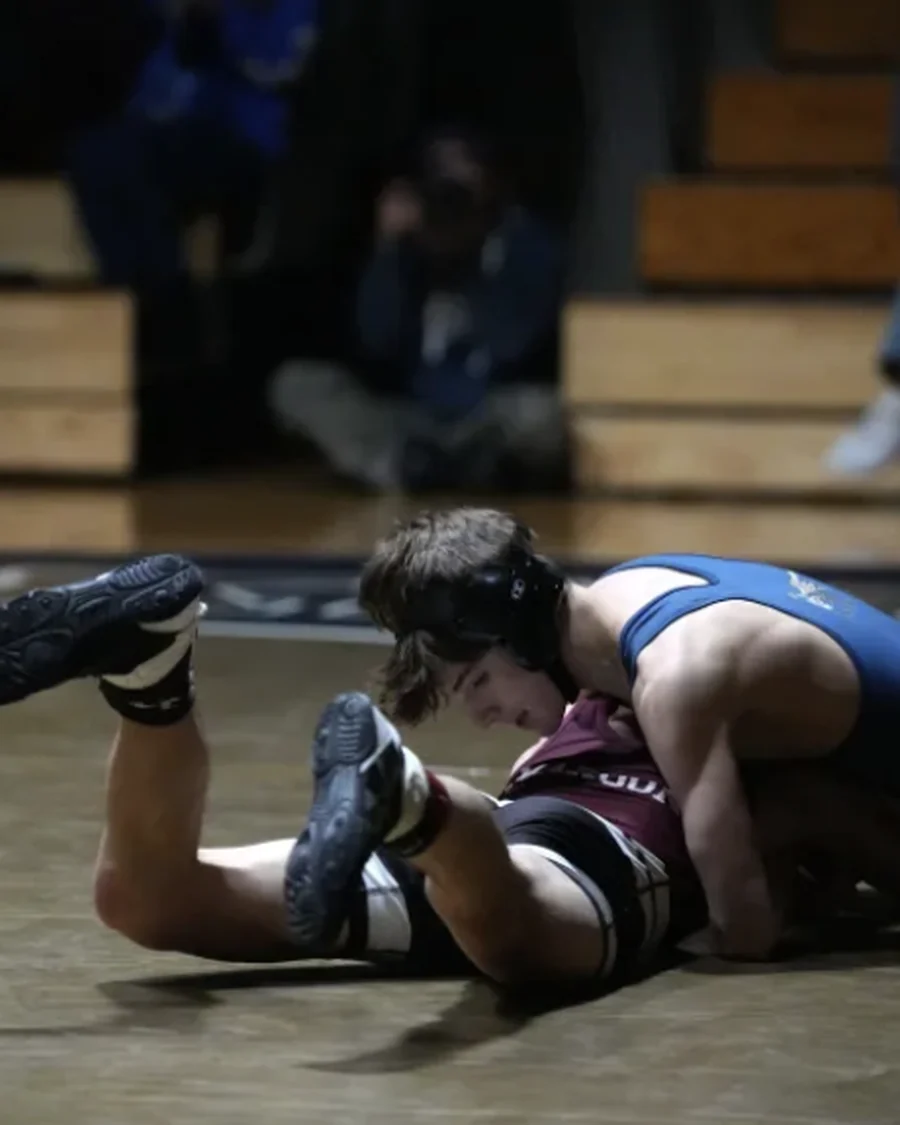 Osteotomy Jack Drucker Norwood, NJ Read Jack’s story
 Questions parents ask
My child dislocated their kneecap once. Do they need surgery?
Not necessarily. Many first-time dislocations are managed without an operation. Surgery enters the conversation when dislocations keep happening, or when the imaging shows an anatomical reason they are likely to. That assessment is what the consultation is for.
What is the MPFL?
The medial patellofemoral ligament runs along the inner side of the knee and helps hold the kneecap in its groove. It is commonly injured during a dislocation, and reconstructing it is one of the procedures Dr. Green performs.